
Myth-Busting: Common Misconceptions About Professional Braiding


Understanding Professional Braiding
Professional braiding has been an essential part of many cultures for centuries, yet misconceptions abound. It's time to debunk these myths and appreciate the artistry involved in braiding. From intricate designs to the cultural significance, there's more to braiding than meets the eye.

Myth 1: Braiding Is Easy
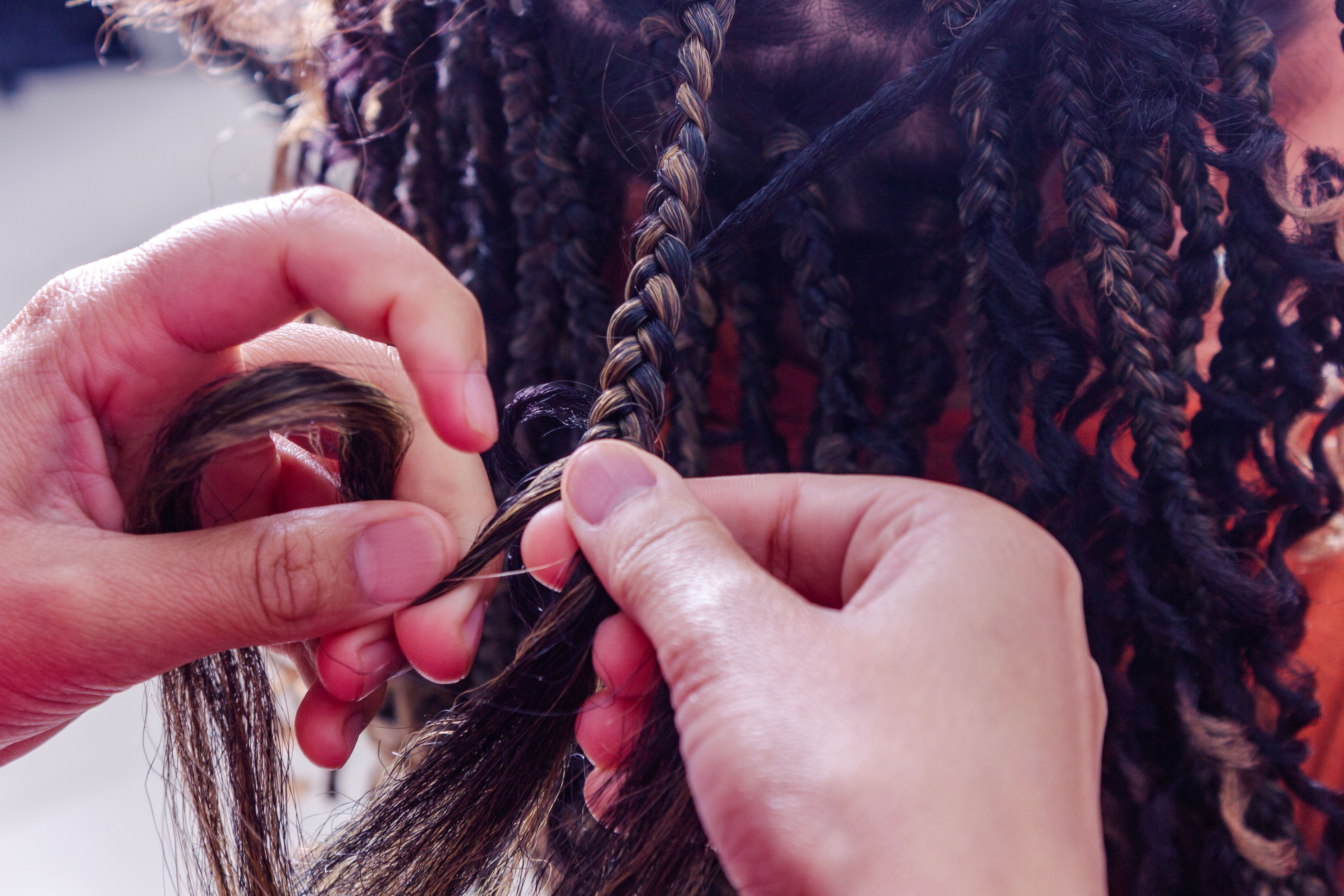
One common myth is that braiding is simple and anyone can do it. In reality, professional braiding requires a high level of skill and precision. Braiders undergo extensive training to master various techniques and styles. The intricate patterns and designs often seen in professional braiding are the result of years of practice.
Myth 2: Braids Damage Hair
Another misconception is that braiding can damage your hair. When done correctly by a professional, braiding can actually protect hair from environmental damage and promote growth. It's essential to consult with a skilled braider who understands how to maintain hair health while creating beautiful styles.
The Cultural Significance of Braiding
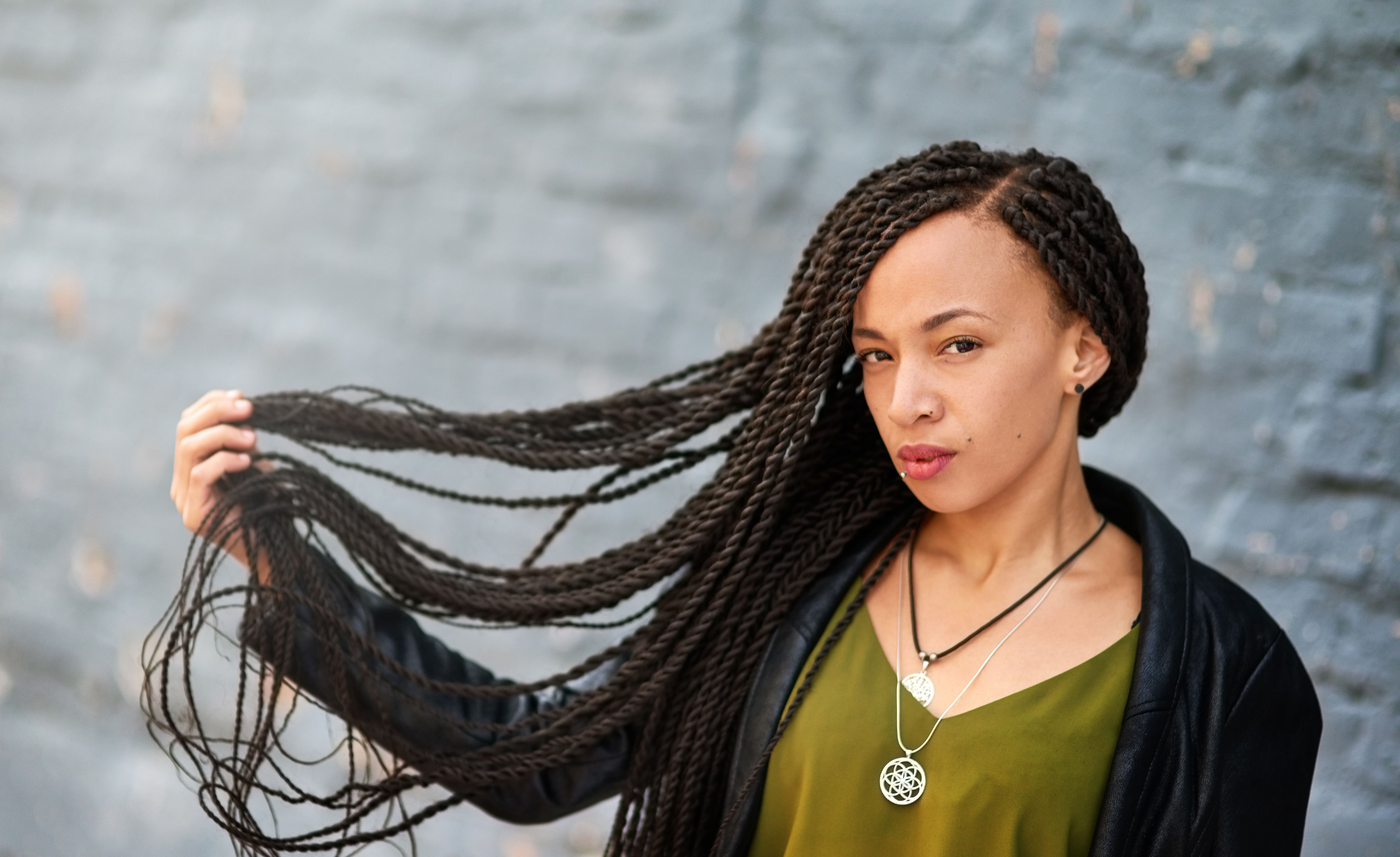
Braiding is not just a hairstyle; it's a cultural expression. Many communities use braiding to convey identity, status, and heritage. Understanding the cultural significance of braiding can lead to a greater appreciation of this art form and its rich history.
Myth 3: Braiding Is Only for Women
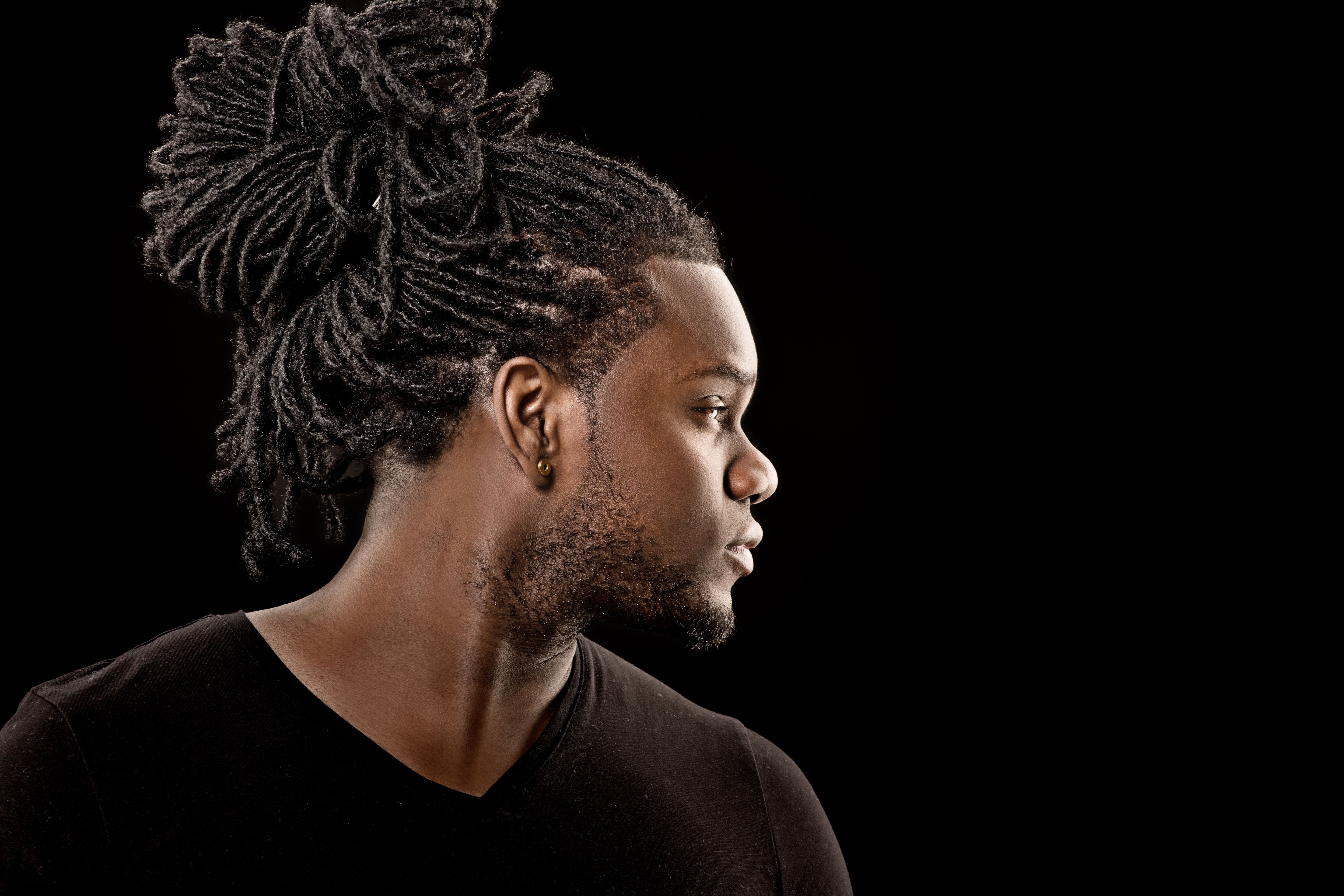
Contrary to popular belief, braiding is not limited to women. Men have also embraced this art form across various cultures. From traditional styles to modern twists, men are increasingly seen sporting braids, challenging gender norms and showcasing personal style.
Myth 4: All Braids Are the Same
Some may think that all braids look the same, but this couldn't be further from the truth. There are numerous braiding styles, each with its unique techniques and appearances. From cornrows and box braids to fishtail and micro braids, the variety is vast and diverse.
The Importance of Professional Braiders
Professional braiders play a crucial role in the beauty industry. They not only create visually stunning styles but also educate clients on proper hair care. Supporting skilled braiders helps preserve the cultural heritage and promotes the growth of this vibrant art form.
By debunking these myths, we can foster a deeper understanding and appreciation for professional braiding. Whether you're looking to try a new style or simply admire the craft, recognizing the skill, culture, and artistry behind braiding is essential.