
Debunking Common Myths About Hair Braiding


Understanding Hair Braiding
Hair braiding is an ancient art form with rich cultural significance and a variety of styles. Despite its beauty and versatility, there are many myths surrounding this practice. In this post, we aim to debunk some of these common misconceptions and provide clarity on what hair braiding truly entails.

Myth 1: Hair Braiding Damages Hair
A prevalent myth is that braiding can lead to hair damage. However, when done correctly, braiding can actually protect hair. By keeping hair strands secure, braids help prevent breakage and split ends. It's important to ensure that braids are not too tight, as excessive tension can cause stress on the hair follicles.
Myth 2: Braids Are Only for Long Hair
Many people believe that braids are only suitable for long hair. In reality, braiding can be done on various hair lengths. There are numerous styles designed specifically for short to medium hair, allowing almost anyone to enjoy this versatile look.
The Time Commitment of Braiding
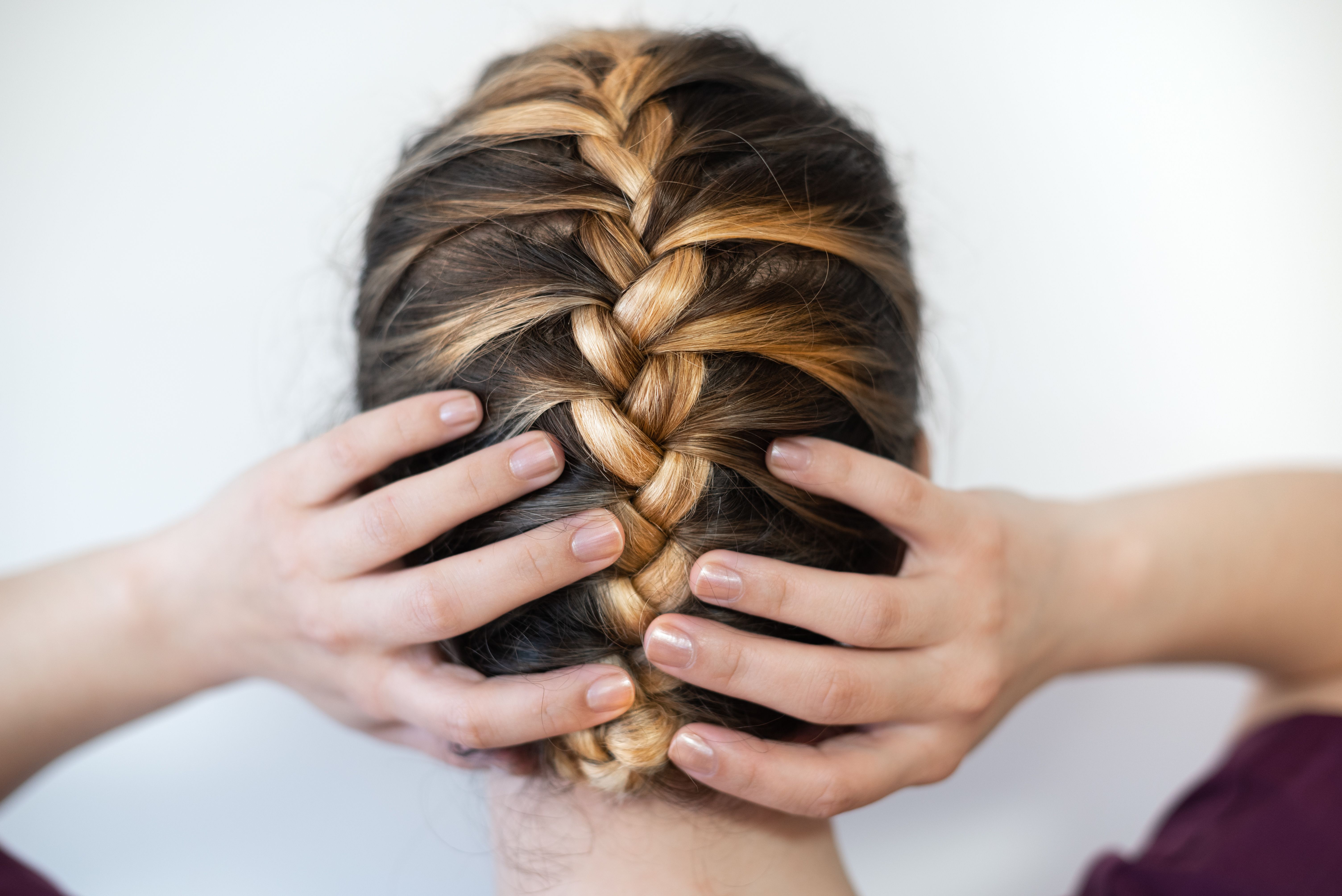
Another myth is that braiding takes an excessive amount of time. While some intricate styles may be time-consuming, many braids can be completed quickly. Simple styles, such as French braids or two-strand twists, can be done in less than an hour, making them perfect for busy schedules.
Myth 3: Only Certain Hair Types Can Be Braided
It's a common misconception that only certain hair types can be braided. In truth, braiding can be adapted to suit all hair types, from straight to curly. Professional stylists can adjust techniques to ensure that the braid holds well and looks beautiful, regardless of hair texture.

Braiding and Hair Growth
Some believe that braiding can hinder hair growth. On the contrary, protective styles like braids can promote hair growth by reducing daily manipulation and breakage. This allows hair to grow healthier over time.
Myth 4: All Braids Are Cultural Appropriation
While cultural sensitivity is crucial, not all braids constitute cultural appropriation. Many cultures around the world have their own traditional braiding styles. It’s essential to approach braiding with respect and understanding of its cultural significance.
Conclusion
By debunking these myths, we hope to encourage more people to explore the beauty and versatility of hair braiding. Whether you're new to braiding or an experienced stylist, understanding the facts can enhance your appreciation for this timeless art form.